What Is Activity Monitoring in a GPS Dog Tracker?
Discover how GPS dog trackers monitor movement, estimate activity levels, show daily patterns and help owners understand their dog’s exercise routine.
Movement tracking Daily activity Pet wellbeing
Dogs need appropriate movement, mental stimulation, rest and opportunities to explore. However, it is not always easy for owners to judge how active their pets are throughout the day, especially when a dog spends time with another family member, a dog walker or at a pet-care facility.
Activity monitoring in a GPS dog tracker can provide additional insight into a dog’s movement patterns. Depending on the device, the feature may estimate activity levels, record active periods, summarise daily movement or display trends over time. Some trackers combine these functions with GPS location data, while others use motion sensors to estimate activity independently of precise location.
Understanding what these features measure—and what they cannot tell you—is important. Activity data can help you review routines and ask better questions about your dog’s wellbeing, but it should not be treated as a veterinary diagnosis or a perfect measurement of exercise.
Quick answer: Activity monitoring in a GPS dog tracker uses location information, motion sensors or a combination of technologies to estimate how much a dog moves and when activity occurs. Depending on the product, the app may show activity summaries, movement trends, rest periods or related metrics. Features and accuracy vary by device, and activity data does not replace professional veterinary advice.
1. What Is Activity Monitoring in a GPS Dog Tracker?
Activity monitoring is a feature that estimates a dog’s movement or activity over a period of time. Depending on the tracker, it may provide daily summaries, activity levels, movement patterns or comparisons between different days.
Some GPS dog trackers include motion sensors, such as accelerometers, to detect changes in movement. Others combine sensor information with location data to give owners a broader picture of where the dog travels and how active it appears to be.
Movement patterns
Review periods when the tracker detects movement and compare general activity across the day.
Active and quiet periods
Some apps summarise when activity was detected and when the device appeared relatively inactive.
Location context
Compatible trackers may show where movement occurred, helping owners understand the context of an outing.
Daily trends
Some products display activity summaries over multiple days so owners can review broad changes in routine.
Is activity monitoring the same as GPS tracking?
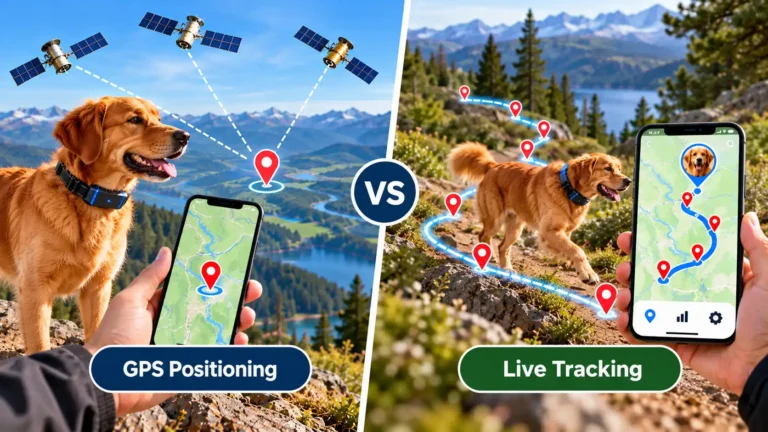
No. GPS tracking focuses on a device’s geographic position. Activity monitoring focuses on movement or activity estimates. A tracker may offer both, but they answer different questions.
GPS can help show where a dog travelled, while activity sensors may help estimate how much the dog moved. A location history may show a route, but it does not automatically tell you how intensely the dog exercised or how much energy it used.
2. How Does Activity Monitoring Work in a GPS Dog Tracker?
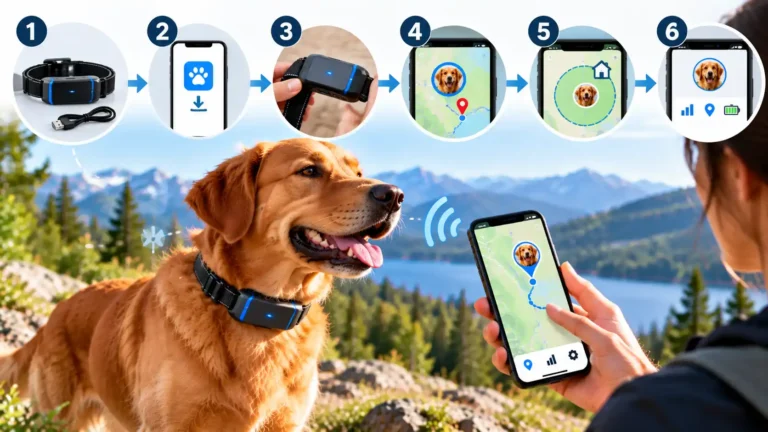
Activity monitoring usually relies on one or more technologies. The exact process depends on the tracker’s hardware, software and the way its manufacturer defines activity.
- Motion sensors detect movement.
A compatible device may use an accelerometer or other sensor to detect changes in movement as the dog walks, runs, jumps or rests. - The device processes sensor readings.
The tracker’s software interprets sensor signals and classifies them according to the manufacturer’s activity model. - Location data may add context.
If GPS tracking is active, the device may also record positions or routes. This can help distinguish movement across locations from activity detected in one area. - Activity estimates are calculated.
The software may summarise movement into time periods, activity scores, categories or other metrics supported by the product. - The information appears in the app.
Owners can view the available summaries, compare periods and review changes in their dog’s usual routine.
Important: Not all GPS dog trackers have dedicated activity sensors. Some offer only location and route data, while others include activity monitoring as a separate feature. Always check the specifications of the exact model.
The role of motion sensors
Motion sensors detect changes in the device’s movement. The software then interprets those changes to estimate activity. Because the tracker is attached to a collar or harness, its readings may be influenced by how securely it fits, the dog’s movements and the way the device is worn.
The role of GPS
GPS can provide geographic context, such as a route or distance estimate. However, distance alone does not represent total exercise. A dog can move around indoors without travelling far, while a dog riding in a vehicle may travel a long distance without doing much physical exercise.
For more information about positioning, see GPS Positioning vs Live Tracking: What’s the Difference?
3. What Activity Data Can a GPS Dog Tracker Show?
Activity metrics vary between products. Before interpreting any figure, check the app’s definitions so you understand whether a value is measured directly, estimated from sensor data or calculated using a proprietary formula.
Activity duration
Some apps estimate the amount of time a dog was active during a selected period. The result may be based on movement thresholds or other sensor rules rather than a direct measurement of exercise intensity.
Daily activity summaries
A compatible tracker may present an overview of activity throughout the day. These summaries can help you compare routines, although the displayed categories and calculations differ by brand.
Movement trends
Some products allow you to compare activity over several days or weeks. This may help you notice broad changes in your dog’s routine, especially when the tracker is worn consistently and used in a similar way.
Distance travelled
When GPS tracking is available, the app may estimate distance based on recorded positions. This figure reflects the route or movement captured by the device, and it may not include every movement between updates.
Rest or inactivity periods
Some devices identify periods with little detected movement. These periods do not necessarily mean the dog was asleep. A dog may be awake but resting quietly, and the tracker may not distinguish all forms of rest accurately.
| Possible metric | What it may tell you | What it cannot confirm by itself |
|---|---|---|
| Activity duration | Estimated time spent moving or meeting the app’s activity criteria. | Whether the activity was appropriate for your dog’s individual needs. |
| Distance travelled | Approximate distance based on recorded GPS positions. | Exercise intensity, energy expenditure or exact route between updates. |
| Activity score | A product-specific summary of movement. | A universal measure of fitness or health. |
| Inactive periods | Periods when little movement was detected. | Whether the dog was sleeping, resting or unwell. |
| Daily trends | Broad changes in recorded activity over time. | The cause of a change or a medical diagnosis. |
4. Benefits of Activity Monitoring for Dog Owners
Understanding daily routines
Activity summaries can help owners understand when their dogs tend to be active and how their routine changes between weekdays, weekends or different care arrangements.
Reviewing walks and outdoor time
When a tracker combines activity information with GPS data, owners may be able to review the general route and movement associated with an outing. This can provide more context than a simple location marker alone.
Supporting consistent exercise habits
Some owners find that reviewing activity trends encourages a more consistent routine. However, the right amount of activity depends on factors such as breed, age, fitness, temperament and health. A generic app target should not override advice from a veterinarian.
Noticing changes in usual movement
If the tracker is worn consistently, a noticeable change in recorded activity may prompt you to observe your dog more closely. It is a reason to gather context, not proof that something is wrong. Weather, changes in routine, collar fit and missed readings can all influence the data.
Sharing observations with a veterinarian
Historical activity summaries may provide useful context for a veterinary conversation. If you have noticed a persistent change in your dog’s movement or behaviour, explain what you have observed and share the records if they are relevant and available.

Activity trends can help owners review routines, but the figures need to be interpreted in context.
5. How Accurate Is Activity Monitoring in a GPS Dog Tracker?
Activity monitoring can provide useful estimates, but its accuracy depends on the sensor, device placement, software and type of movement. Two products may report different activity figures for the same dog because they use different algorithms and definitions.
Collar fit and device placement
If the tracker moves excessively on the collar, its motion sensors may register movements differently. Follow the manufacturer’s fitting instructions and make sure the device is appropriate for your dog’s size.
Different types of movement
Walking, running, scratching, shaking and playing can create different sensor patterns. The software may classify some movements more reliably than others. A tracker may also struggle to distinguish the dog’s own movement from movement of the collar caused by another source.
Indoor activity
GPS positioning may be limited indoors, but motion sensors on compatible trackers may still detect movement. The app’s ability to record indoor activity depends on whether it has dedicated sensors and how it processes their readings.
Inconsistent wearing time
If the tracker is removed for part of the day, the app may show lower activity simply because it did not record the full period. Before comparing daily figures, consider whether the device was worn consistently.
Different algorithms and scoring systems
Some manufacturers use proprietary activity scores or categories. These scores may be useful for comparing your dog’s own trends within the same app, but they are not necessarily comparable with another brand’s figures.
Best practice: Use activity data primarily to understand your dog’s patterns over time. Avoid treating a single score, distance estimate or inactivity reading as a definitive measure of fitness or health.
6. Can Activity Monitoring Tell You How Much Exercise Your Dog Needs?
Activity monitoring can help you review movement, but it cannot determine the ideal exercise routine for every dog. Exercise needs vary significantly according to age, breed, body condition, health, temperament and the type of activity involved.
Consider your dog’s individual needs
A young, energetic dog may need a different routine from an older dog or one recovering from an injury. Some dogs benefit from several shorter walks, while others may enjoy longer outings. The appropriate balance should reflect the dog’s circumstances and veterinary advice where needed.
Do not focus on distance alone
A long route does not automatically mean a dog received the right type or intensity of exercise. Sniffing, play, training and mental enrichment may contribute to a dog’s overall routine even when they are not represented clearly by a distance metric.
Use activity data as a guide, not a target to chase
If an app provides an activity goal, treat it as a general product feature rather than a personalised veterinary recommendation. Do not increase exercise simply to reach a score, particularly if your dog appears tired, uncomfortable or reluctant to continue.
Balance activity with rest
Rest is an important part of a dog’s daily routine. An activity tracker may show periods of low movement, but it cannot always distinguish healthy rest from discomfort or illness. Consider your dog’s behaviour and overall condition rather than relying on the graph alone.

A healthy routine balances appropriate movement, enrichment and rest according to the individual dog.
7. How to Use Activity Monitoring Effectively
To get meaningful information from an activity tracker, use it consistently and interpret the results alongside what you observe in everyday life.
- Check which metrics your device provides.
Review the app’s descriptions so you know whether it records activity duration, distance, movement categories or a proprietary score. - Fit the tracker correctly.
Follow the manufacturer’s guidance for your dog’s size and collar or harness arrangement. - Wear the device consistently when practical.
Consistent use makes it easier to compare activity patterns, provided the device is suitable and comfortable for your dog. - Establish a baseline.
Review several days of ordinary activity before drawing conclusions about changes in routine. - Consider the context.
Account for weather, travel, visitors, changes in walking schedules and time spent with other caregivers. - Look for sustained patterns.
Compare trends over time rather than reacting to a single unusually active or quiet day. - Act on relevant concerns.
If you notice a persistent change alongside other concerning signs, consult your veterinarian instead of relying on the tracker to explain the cause.
Example: Comparing two days
Imagine that your tracker reports less activity on Tuesday than on Monday. That difference could reflect shorter walks, bad weather, a quieter day at home or a period when the tracker was not worn. It does not automatically mean your dog is unwell.
Check the route history, wearing time and your own observations before interpreting the difference. If the change continues or accompanies signs of discomfort or illness, seek appropriate veterinary advice.
8. Can Activity Monitoring Detect Health Problems?
Activity monitoring may help you notice changes in recorded movement, but it cannot diagnose a health condition. A tracker cannot reliably determine the cause of reduced activity, changes in rest patterns or an unusual movement score on its own.
What a tracker may help you notice
- A sustained change in the amount of movement recorded.
- A difference between usual and recent activity patterns.
- Changes in the recorded duration of active periods.
- Movement trends that may be worth discussing with a veterinarian.
What it cannot establish by itself
- Whether your dog has a particular illness or injury.
- Whether a dog is in pain simply because movement has decreased.
- Whether the dog has received enough exercise for its individual needs.
- Whether a change in activity is medically significant.
If your dog develops sudden weakness, difficulty breathing, collapse, severe pain or another urgent symptom, seek veterinary care promptly. Do not wait for an activity report to confirm that something is wrong.
Remember: Activity data is an additional source of information. Your observations, your dog’s behaviour and professional veterinary assessment remain essential when evaluating wellbeing.
9. Does Activity Monitoring Affect GPS Dog Tracker Battery Life?
Battery impact depends on how the tracker measures and reports activity. A device that uses low-power motion sensors may be able to monitor movement without continuously requesting GPS positions. Other devices may combine activity information with more frequent location updates, which can use additional power.
What may affect power consumption?
- How frequently the device obtains and transmits GPS locations.
- Whether live tracking is enabled.
- How often sensor data is processed or reported.
- Cellular signal quality and communication requirements.
- Additional features such as lights, sounds or frequent alerts.
Do not assume that activity monitoring always causes significant battery drain. The effect varies by model. Check the manufacturer’s battery specifications and the settings available in the app.
For more information, read How Long Does a GPS Dog Tracker Battery Last?
10. Activity Monitoring vs Location History vs Live Tracking
These features can work together, but they measure or display different kinds of information.
| Feature | Main purpose | Example use |
|---|---|---|
| Activity monitoring | Estimates movement or activity patterns. | Reviewing changes in daily movement. |
| Location history | Displays previously recorded positions or routes. | Reviewing the general route taken during a walk. |
| Live tracking | Shows recent location updates. | Checking the latest reported location during an outing. |
| Geofencing | Monitors entry into or exit from a virtual zone. | Receiving a notification when the tracker appears to leave a safe area. |
Not every tracker offers all four features. Check the specifications individually rather than assuming that a device with GPS tracking automatically includes activity monitoring, detailed location history or geofence alerts.
11. What to Look for When Buying a GPS Dog Tracker With Activity Monitoring
If activity data is important to you, compare the way each product measures movement and how its app presents the information.
| Feature to check | Why it matters | Question to ask |
|---|---|---|
| Activity sensors | Determine how the device detects movement. | Does it include dedicated motion sensors? |
| Available metrics | Defines what you can review in the app. | Does it show activity time, distance, trends or other summaries? |
| Historical reports | Allows comparisons over time where supported. | How much activity history is retained? |
| GPS integration | Adds location context to activity information. | Can I view activity alongside recorded routes? |
| Battery performance | Affects how often the device needs charging. | Does activity monitoring affect advertised runtime? |
| Fit and comfort | Supports safe, practical everyday use. | Is the device suitable for my dog’s size and collar? |
| App compatibility | Determines how you access and interpret data. | Which phones and operating systems are supported? |
| Subscription requirements | Some features may require an ongoing plan. | Are activity reports included, or do they require a subscription? |
| Privacy controls | Helps you understand how location and activity records are handled. | How can I manage access to stored data? |
Choose a tracker that suits your dog’s needs rather than focusing on the number of features alone. Comfort, reliable tracking, suitable battery life, clear app information and a realistic understanding of the data are all important.
12. Frequently Asked Questions About Activity Monitoring in GPS Dog Trackers
What is activity monitoring in a GPS dog tracker?
Activity monitoring estimates a dog’s movement or activity over time. Depending on the device, it may use motion sensors, GPS information or a combination of technologies to display activity summaries and trends.
Do all GPS dog trackers include activity monitoring?
No. Some trackers focus on location and route reporting, while others include activity sensors and summaries. Check the product specifications before buying.
Can a GPS dog tracker count my dog’s steps?
Some pet trackers may offer step or movement-related estimates, but this is not a universal feature. Check whether the specific model supports step counting and how its results are calculated.
Can activity monitoring tell me if my dog is getting enough exercise?
It can provide useful information about recorded movement, but it cannot determine the ideal exercise requirement for every dog. Consider your dog’s age, health, breed, fitness and veterinary advice.
Is GPS distance the same as exercise?
No. Distance is an estimate of travel based on recorded positions. It does not necessarily measure effort, intensity, play, mental enrichment or total movement.
Can activity monitoring detect illness?
No. It may help you notice changes in recorded movement, but it cannot diagnose illness or identify the cause. Consult a veterinarian if you have concerns about your dog’s behaviour or wellbeing.
Does activity monitoring work indoors?
Motion sensors on compatible devices may detect movement indoors even when GPS positioning is limited. The feature depends on the tracker’s hardware and software.
Does activity monitoring drain the battery?
The impact varies by model. Some devices can use motion sensors efficiently, while frequent GPS updates and data transmission may consume more power. Check the manufacturer’s battery guidance.
Why does my dog’s activity score change from day to day?
Changes may reflect differences in walks, play, weather, routine, wearing time or the way the device detects movement. Look at broader patterns and context rather than interpreting one day’s score in isolation.
Can I compare activity scores between different tracker brands?
Be cautious. Different brands may use different sensors, calculations and scoring scales. Comparisons within the same device and app are generally more meaningful than assuming scores from different products are equivalent.
Should I use activity monitoring instead of veterinary advice?
No. Activity data can support your observations, but it cannot replace a veterinary assessment. Seek professional advice when you notice persistent or concerning changes in your dog’s condition or behaviour.
Sources and Further Reading
For product-specific activity features, always consult the current manufacturer’s documentation. These general resources provide background on animal welfare and pet-care considerations.
- American Veterinary Medical Association — Pet Owner Resources: general pet health and care information.
- American Animal Hospital Association: veterinary care and animal health resources.
- GPS.gov: background on GPS and satellite-based positioning.
Activity metrics and tracking capabilities vary between devices. Confirm the feature definitions, retention periods and subscription requirements for the specific tracker you intend to use.
Conclusion: Is Activity Monitoring Useful in a GPS Dog Tracker?
Activity monitoring can give dog owners additional insight into daily movement patterns, active periods and changes in routine. When combined with GPS location data, it may provide useful context about outdoor movement and recorded routes.
However, activity figures are estimates, not definitive measurements of fitness or health. The type of sensor, collar fit, tracking settings and the manufacturer’s algorithms can all influence the information shown in the app.
When choosing a GPS dog tracker, check exactly which activity metrics it supports, how historical data is displayed, how battery life is affected and whether the device suits your dog’s size and routine. Use the information alongside your own observations and seek veterinary advice when you have concerns about your dog’s wellbeing.